
Interesting Things About Lincoln; Why This Historic British City Is Perfect for Watchmaking
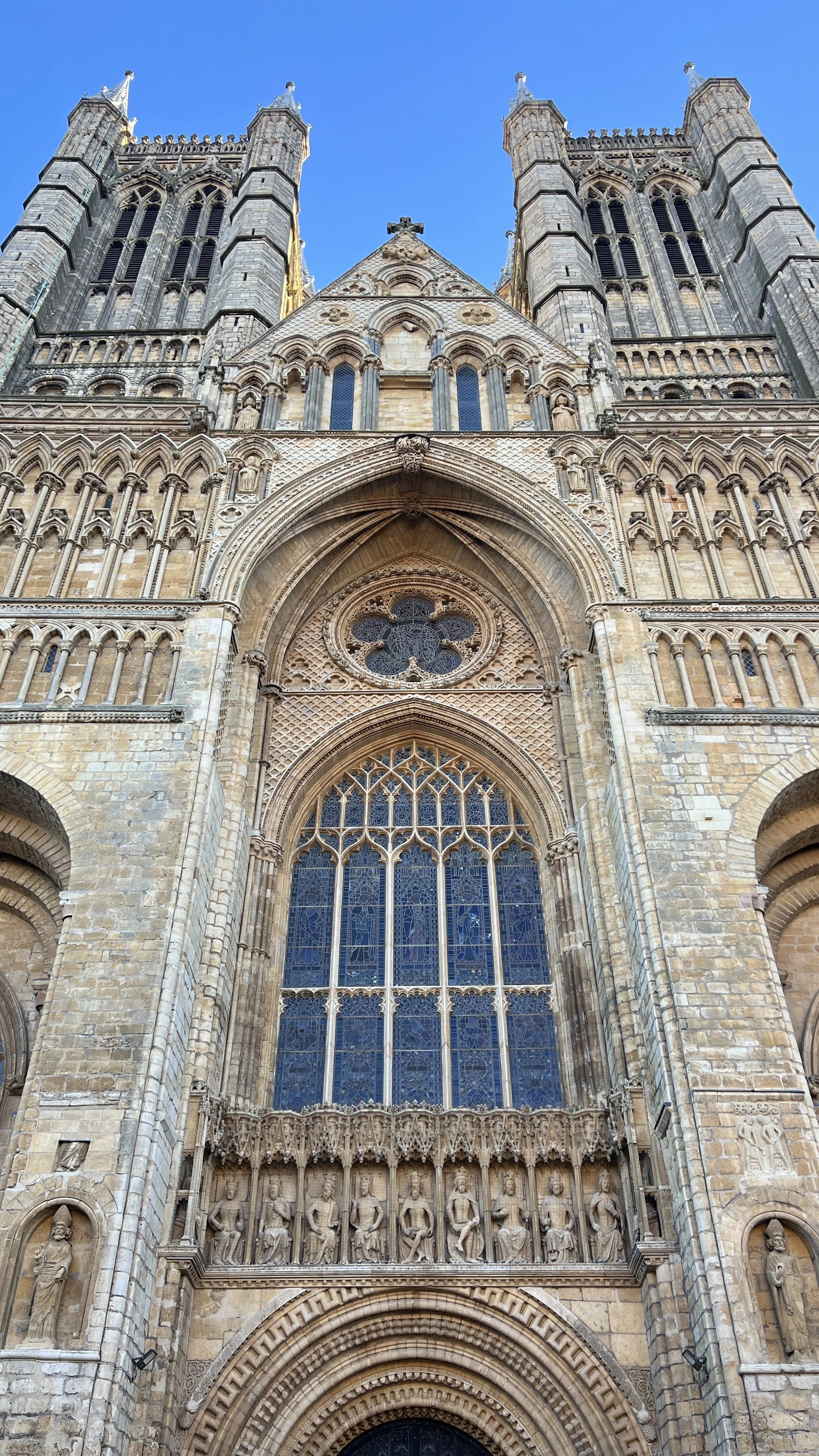
There are cities that simply exist and then there are cities that carry time within their stones. Lincoln is firmly the latter.
Steeped in history, layered with architecture spanning Roman, medieval, and modern Britain, Lincoln is a place where craftsmanship and heritage sit comfortably alongside daily life. For visitors, it offers an extraordinary blend of cultural landmarks, atmospheric streets, independent businesses, and quietly enduring traditions.
For us at Pinchbeck, Lincoln is not just where we are based, it is part of how we think about time itself.
If you are planning a visit to Lincoln, searching for historic cities in England, or simply curious about what makes Lincoln special, here are some of the most interesting things about this remarkable cathedral city and why it continues to inspire British watchmaking today.
Lincoln Cathedral; Nearly 1,000 Years of Craft and Presence
Few landmarks define a city as profoundly as Lincoln Cathedral defines Lincoln.
Dominating the skyline for more than 950 years, the cathedral is widely regarded as one of Europe’s finest examples of Gothic architecture. Its scale, intricate stonework and soaring vaults make it one of Britain’s most impressive historical buildings.
Beyond its architectural beauty, Lincoln Cathedral has long symbolised dedication to craft, patience, and artistry, values that resonate deeply with traditional watchmaking. Every carved detail and structural element reflects centuries of skill, refinement, and care.
Visitors can explore guided tours, climb tower steps for panoramic views, or simply spend time absorbing the atmosphere of one of England’s most extraordinary religious and cultural landmarks.
Lincoln Castle; Where History Changed the Course of Law
Just steps away from the cathedral sits Lincoln Castle, a Norman fortress originally built by William the Conqueror in 1068.
The castle holds one of the most important documents in world history; an original 1215 Magna Carta. The charter established the principle that even the monarch must obey the law, shaping legal systems and civil rights across the globe.
Lincoln Castle is unique in housing both the 1215 Magna Carta and the 1217 Charter of the Forest together, offering visitors a rare and historically powerful experience.
Walking the castle walls provides sweeping views of the city, countryside, and cathedral; a reminder that Lincoln has always stood at the intersection of history, governance and cultural influence.
Roman Lincoln; Where the City Began
Lincoln’s story reaches back far earlier than its medieval skyline suggests.
The city began as a Roman settlement known as Lindum Colonia. Today, visitors can still explore remarkable Roman remains, including Newport Arch, the only Roman arch in Britain still open to modern traffic, alongside surviving walls and archaeological sites scattered throughout the historic centre.
This layered history gives Lincoln a rare sense of continuity. Every period has left a visible mark, creating a city where past and present coexist in everyday life.
The Cathedral Quarter, Steep Hill and Bailgate; Living British Character
The heart of Lincoln’s historic charm is found in the Cathedral Quarter and surrounding streets.
Steep Hill, famous for both its beauty and its incline, connects the city centre with Bailgate and the cathedral district. Lined with independent shops, cafés, tea rooms, antique stores, and galleries, the street captures the essence of traditional British character.
Bailgate itself offers colourful façades, boutique businesses, and cultural attractions, all set among cobbled streets and centuries-old architecture. Visitors often describe the area as feeling like stepping through time while still remaining vibrant and welcoming.
It is this blend of tradition and everyday life that makes Lincoln such a natural home for small-batch craft and artisan work.
Brayford Waterfront; Where Ancient Trade Meets Modern Lincoln
While Lincoln’s hilltop history defines its skyline, Brayford Pool represents another vital chapter in the city’s story.
Formed by the River Witham, Brayford Pool is Britain’s oldest inland harbour and was already in use as a port during Roman times.
Today, the waterfront has transformed into a lively modern district filled with restaurants, bars, cultural venues, and the University of Lincoln. Events, festivals, and waterside walks bring energy and contemporary creativity to the historic city, showing how Lincoln continues to evolve while respecting its roots.
Cultural Events and Creative Energy
Lincoln is far from a museum city. It hosts a vibrant calendar of festivals, exhibitions, and events throughout the year.
The internationally recognised Lincoln Steampunk Festival transforms the city into a celebration of creativity, costume, and retro-futurist imagination, drawing visitors from around the world.
The city has also hosted one of Europe’s largest Christmas markets, historically attracting hundreds of thousands of visitors and showcasing Lincoln’s reputation for seasonal atmosphere and community celebration.
From arts galleries and museums to historic walking tours and independent theatre, Lincoln offers a thriving cultural landscape that supports both heritage and contemporary creativity.
Green Spaces and Quiet Corners
Beyond its historic streets, Lincoln offers peaceful spaces that reflect the slower rhythm of traditional English city life.
Lincoln Arboretum, designed in the 19th century, provides landscaped gardens, ornamental features, and tranquil walking routes, while nearby parks such as Hartsholme Country Park offer lakes, wildlife, and nature trails just minutes from the city centre.
These quieter spaces reflect Lincoln’s balance, a city where history, nature, and daily life exist comfortably together.
Why Lincoln Is Perfect for British Watchmaking
Watchmaking has always been about more than measuring time. It is about understanding it.
Lincoln embodies this philosophy naturally. It is a city built layer upon layer, where craftsmanship, architecture, engineering, and cultural heritage intersect. Its medieval streets and Roman foundations speak to continuity, patience, and longevity, the same values that define British horology.
Harold Pinchbeck is proud to design and hand-assemble watches here in Lincoln, drawing inspiration from the city’s sense of permanence and lived history. From the shadow of the cathedral to the craft traditions still present in local workshops, Lincoln offers an environment where thoughtful watchmaking feels both natural and authentic.
Visiting Lincoln Today
Whether you are drawn by architecture, history, culture, or simply the charm of a historic English city, Lincoln offers a uniquely complete experience.
Visitors can explore castles and cathedrals, walk Roman streets, discover independent shops, enjoy waterside dining, or simply wander cobbled lanes that have witnessed centuries of life. Lincoln is not only a destination, it is a place where time feels tangible.
And for us, it remains a daily reminder of why meaningful craftsmanship still matters.