
Working in Time

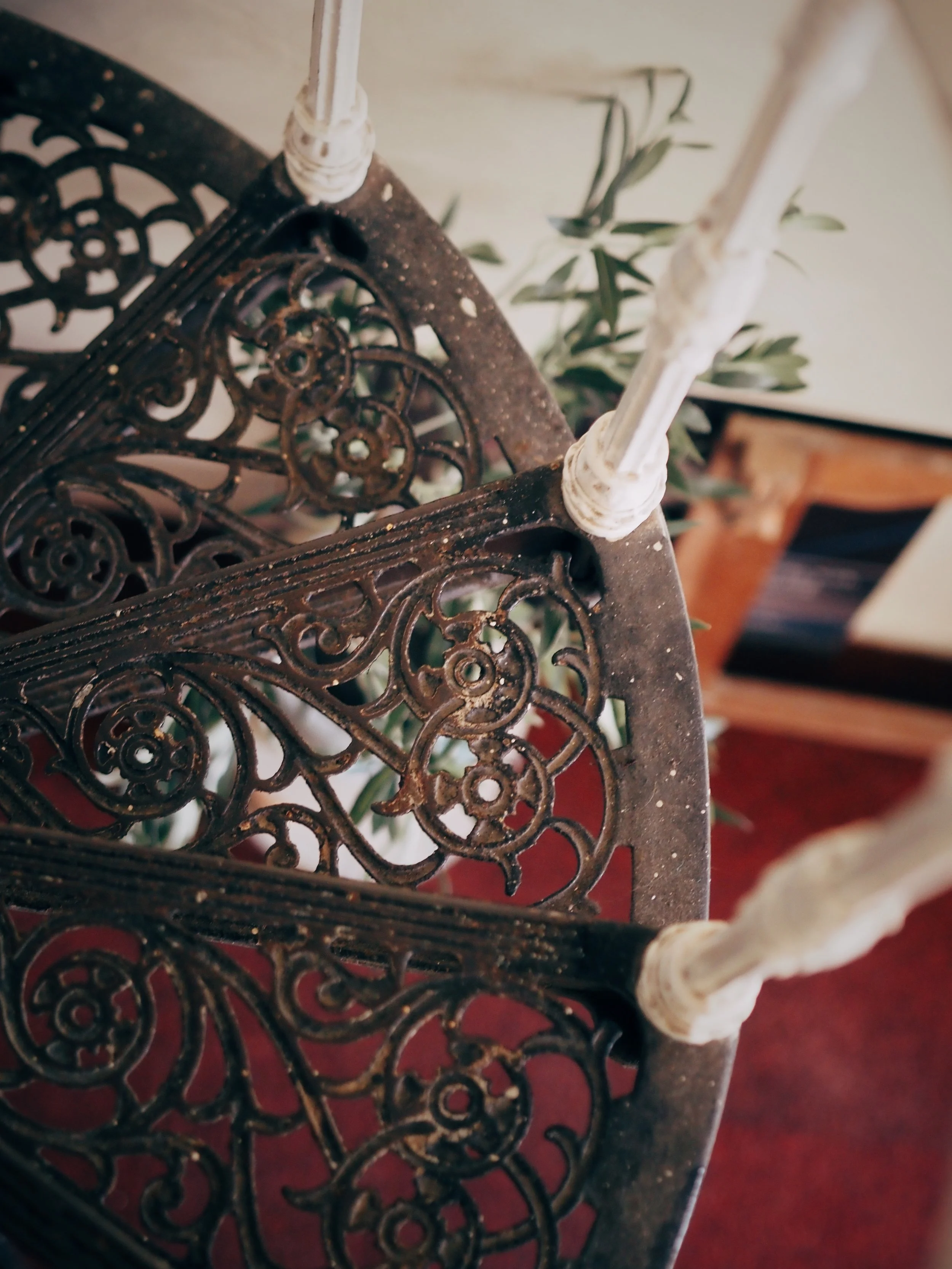
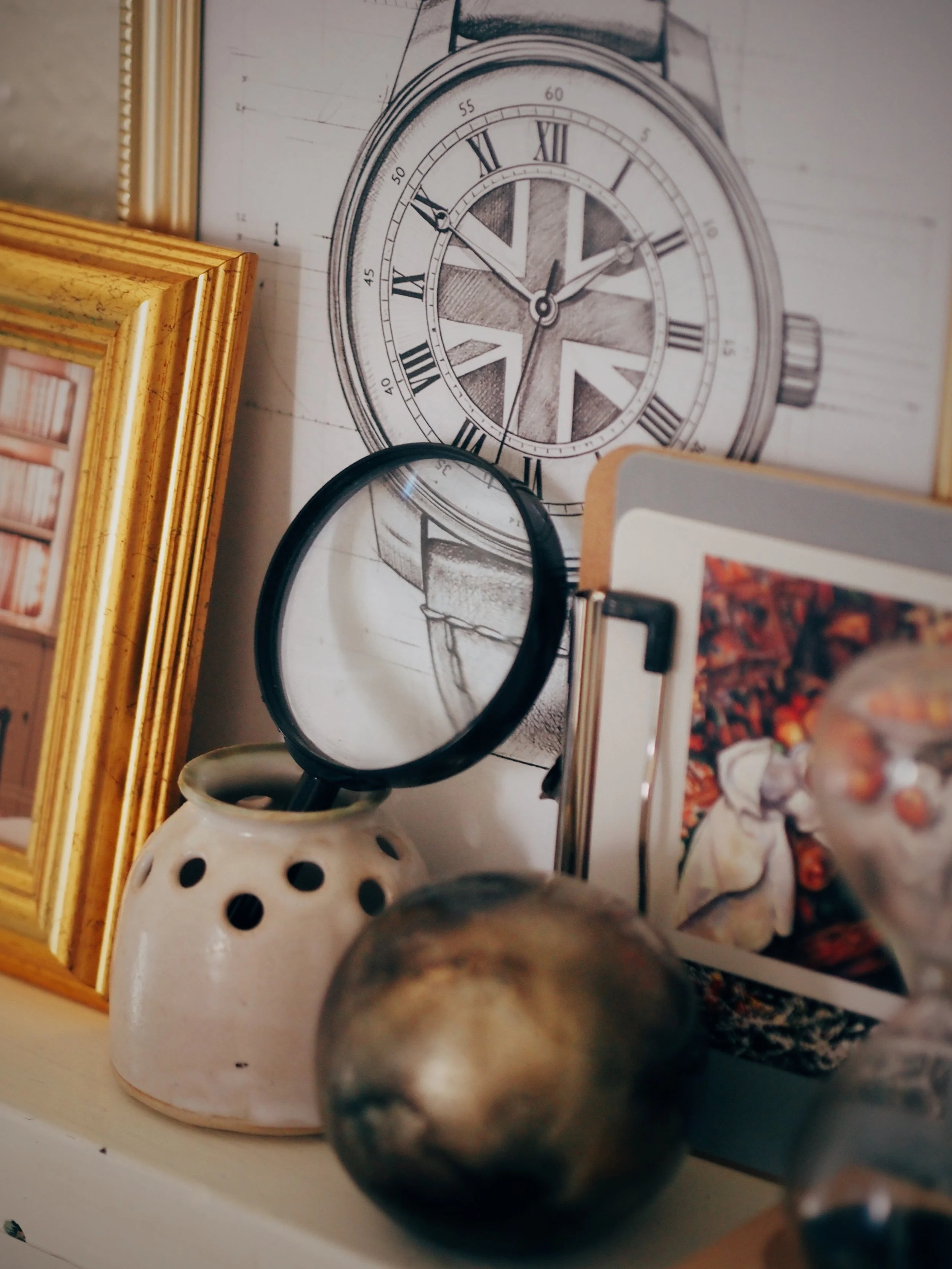
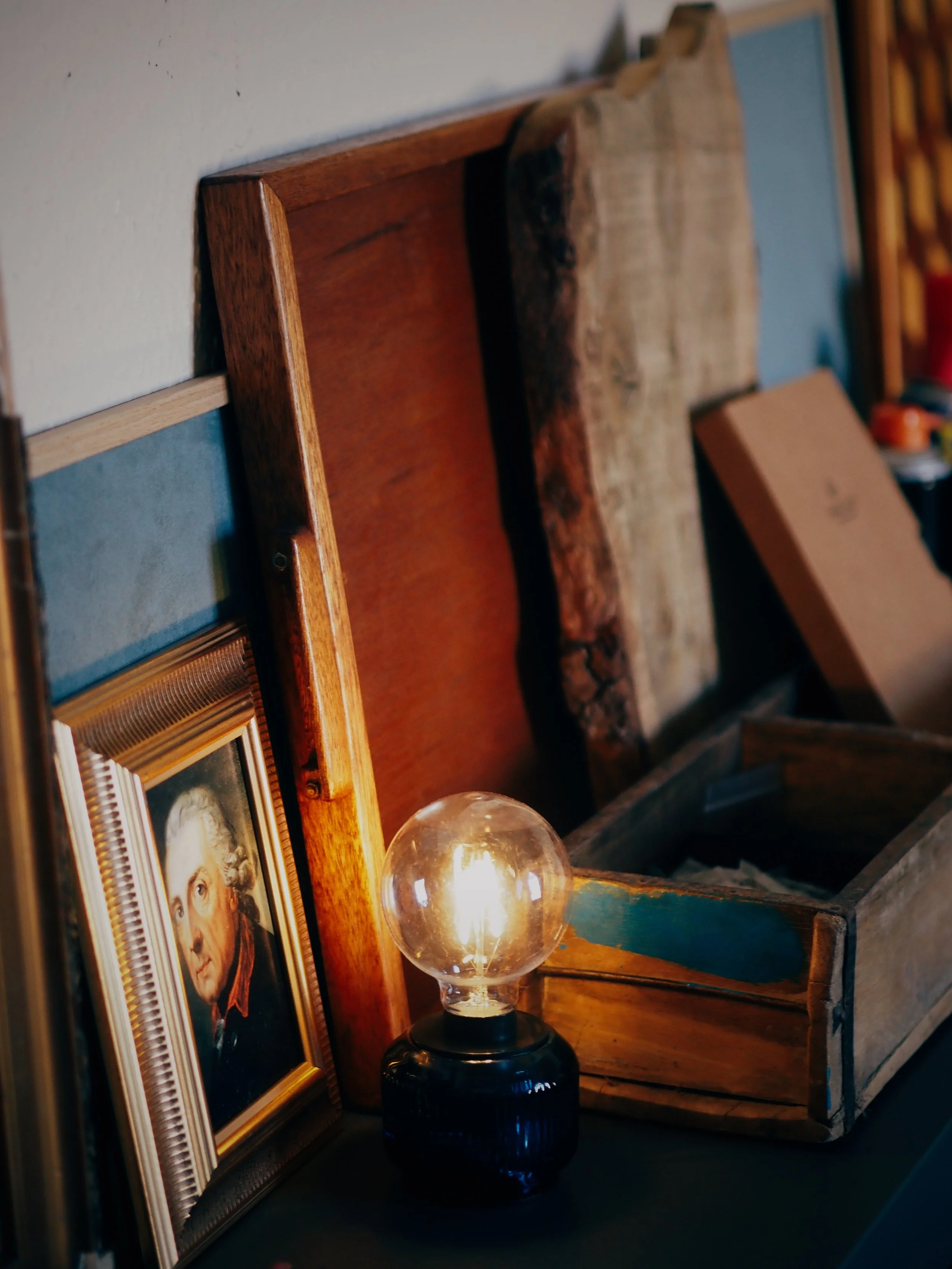
There is something different about working in an old building.
Not just the way it looks but the way it feels.
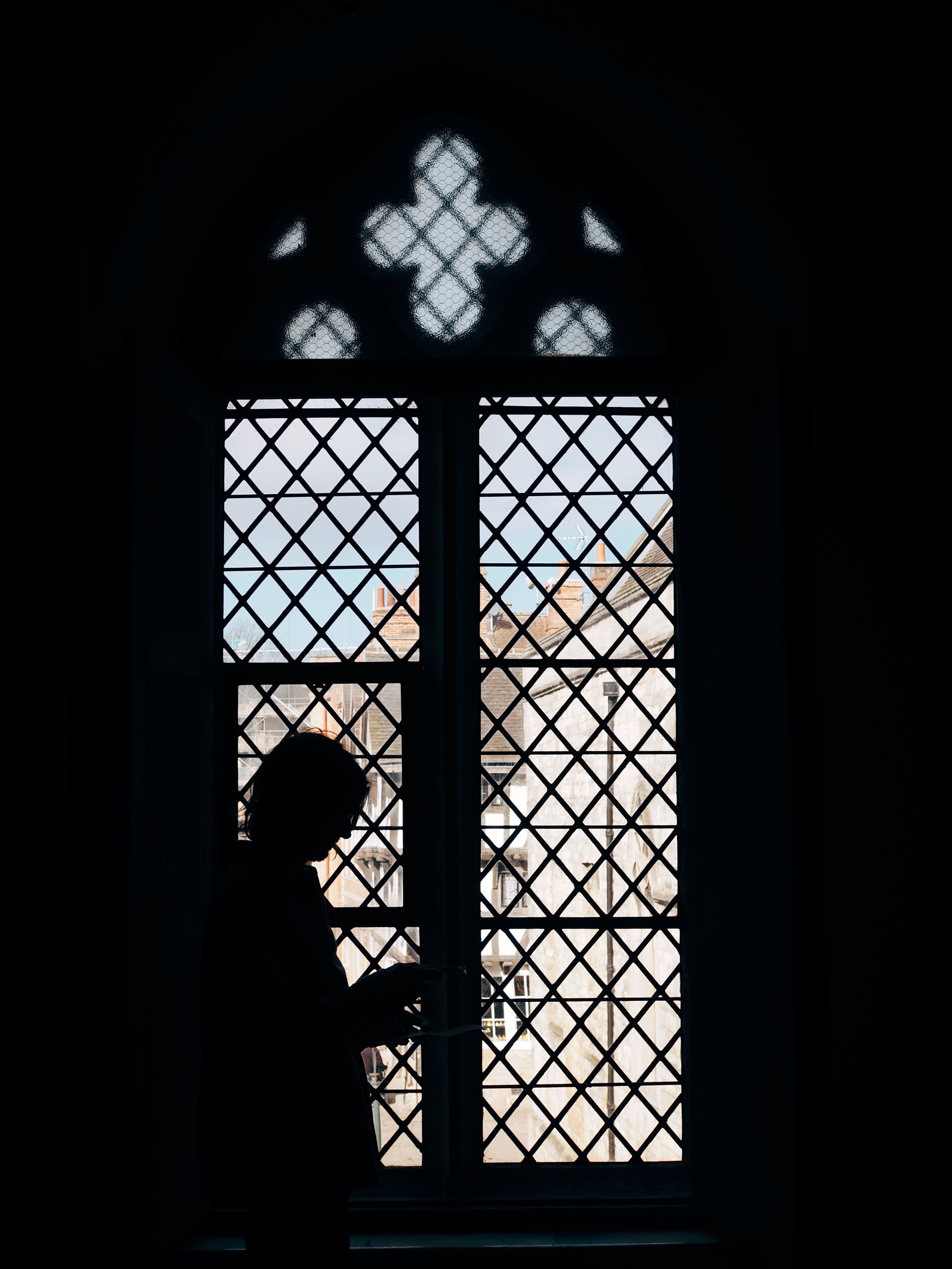
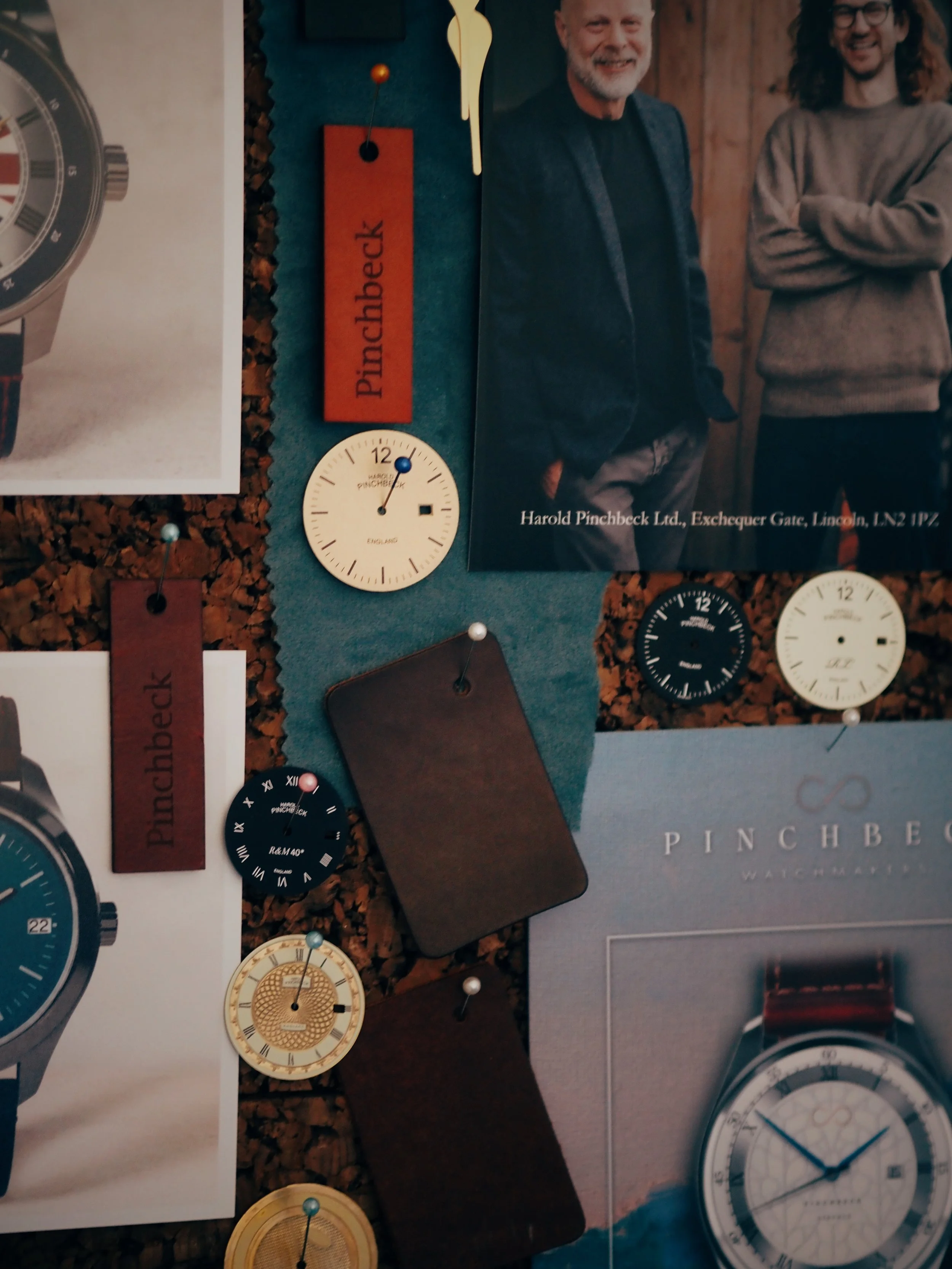
At Pinchbeck, our workshop sits within the stone of Lincoln, a city shaped by centuries of history. From our windows, the presence of Lincoln Cathedral is constant, its form shifting with the light, its scale quietly anchoring everything around it.
It is not something you stop noticing.
It becomes part of how you think, how you work, how you measure time itself.
The light in an old building behaves differently. It moves more slowly, settling into corners and reflecting softly from worn surfaces; wood, stone, tools that have seen years of use. There is no harshness to it, only a steady rhythm that changes throughout the day.
Inside, the workshop remains quiet.
Tools sit where they have been placed. Materials gather slowly; leather, metal, paper, small components waiting to be assembled. Nothing feels hurried. Nothing feels temporary. It is a space that encourages patience.
And in watchmaking, patience is everything.
Step back from the bench, and the world is moving.
Through the leaded windows, the city passes by, footsteps across stone, conversations echoing through the archway, the steady rhythm of daily life continuing just beyond the glass. Inside, detail and precision. Outside, motion and energy.
It is a contrast we have come to value.
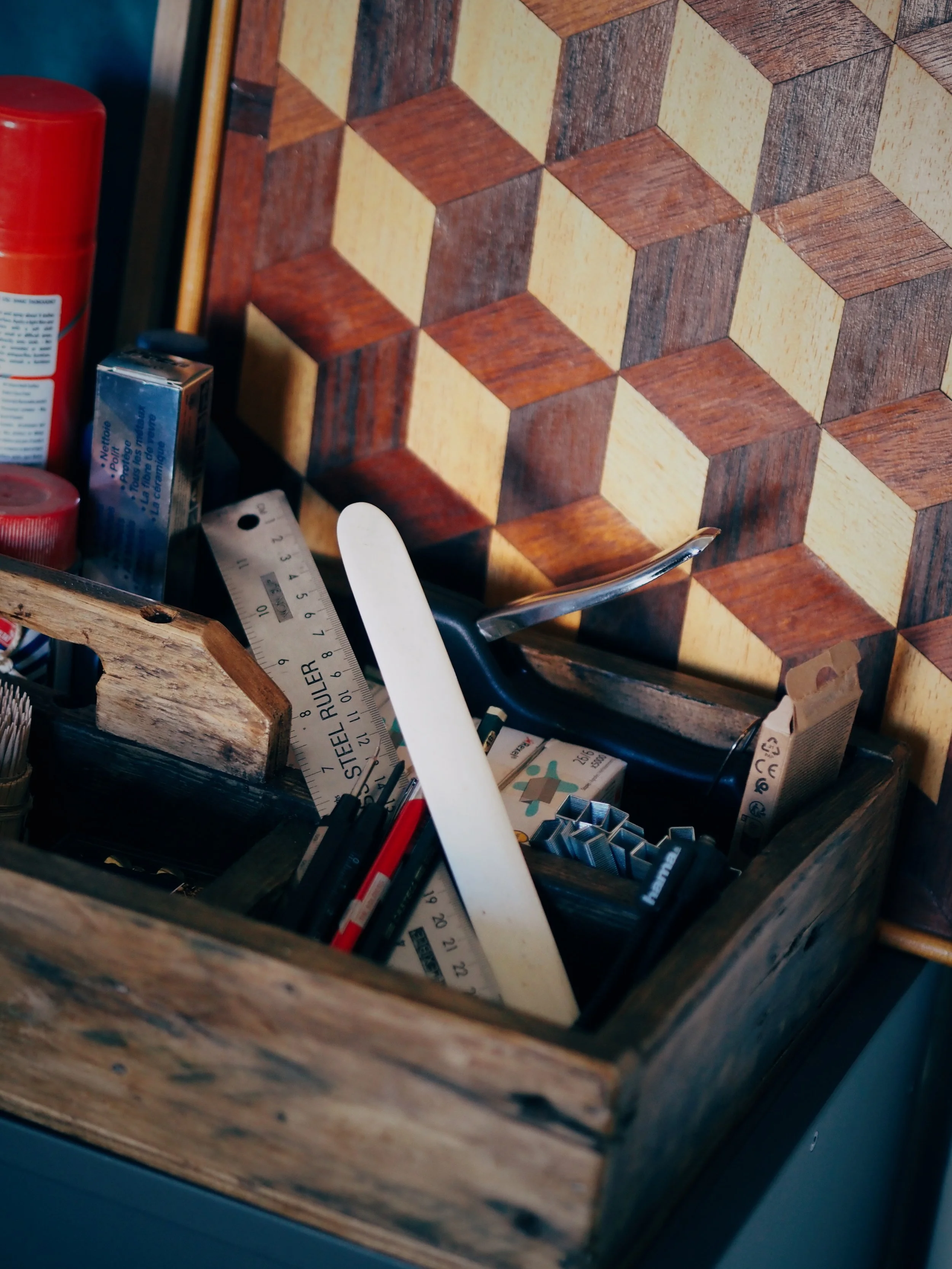
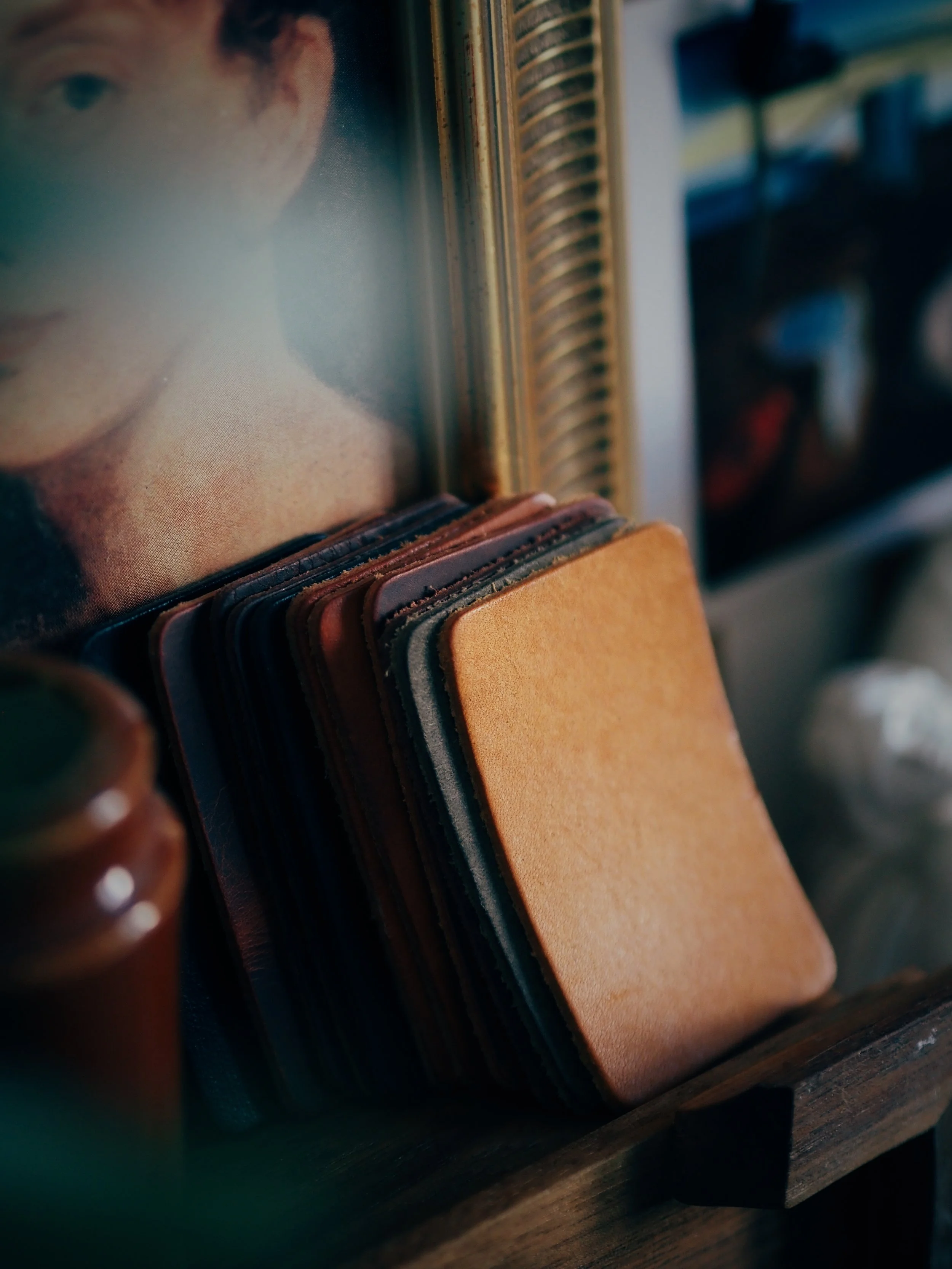
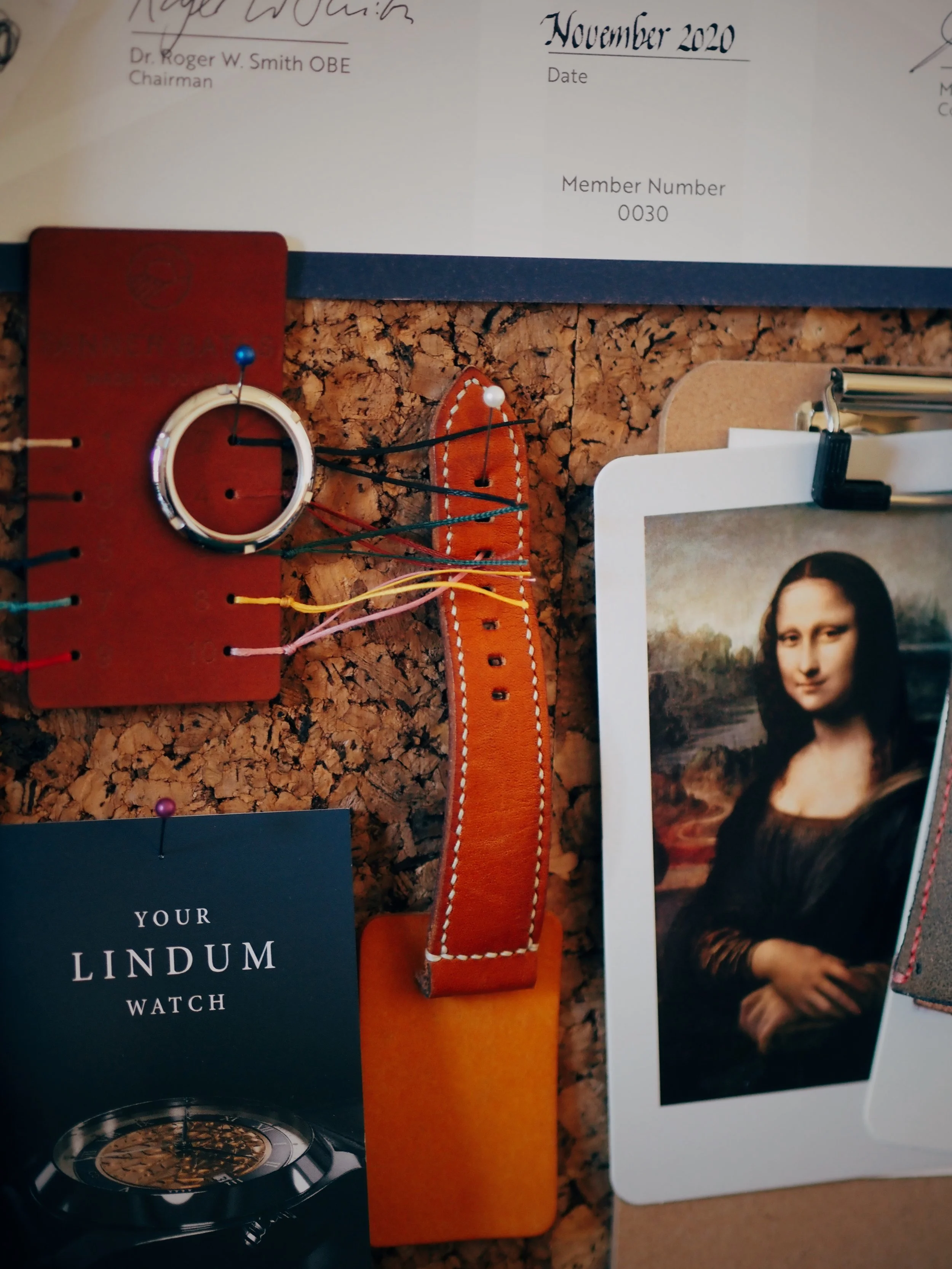
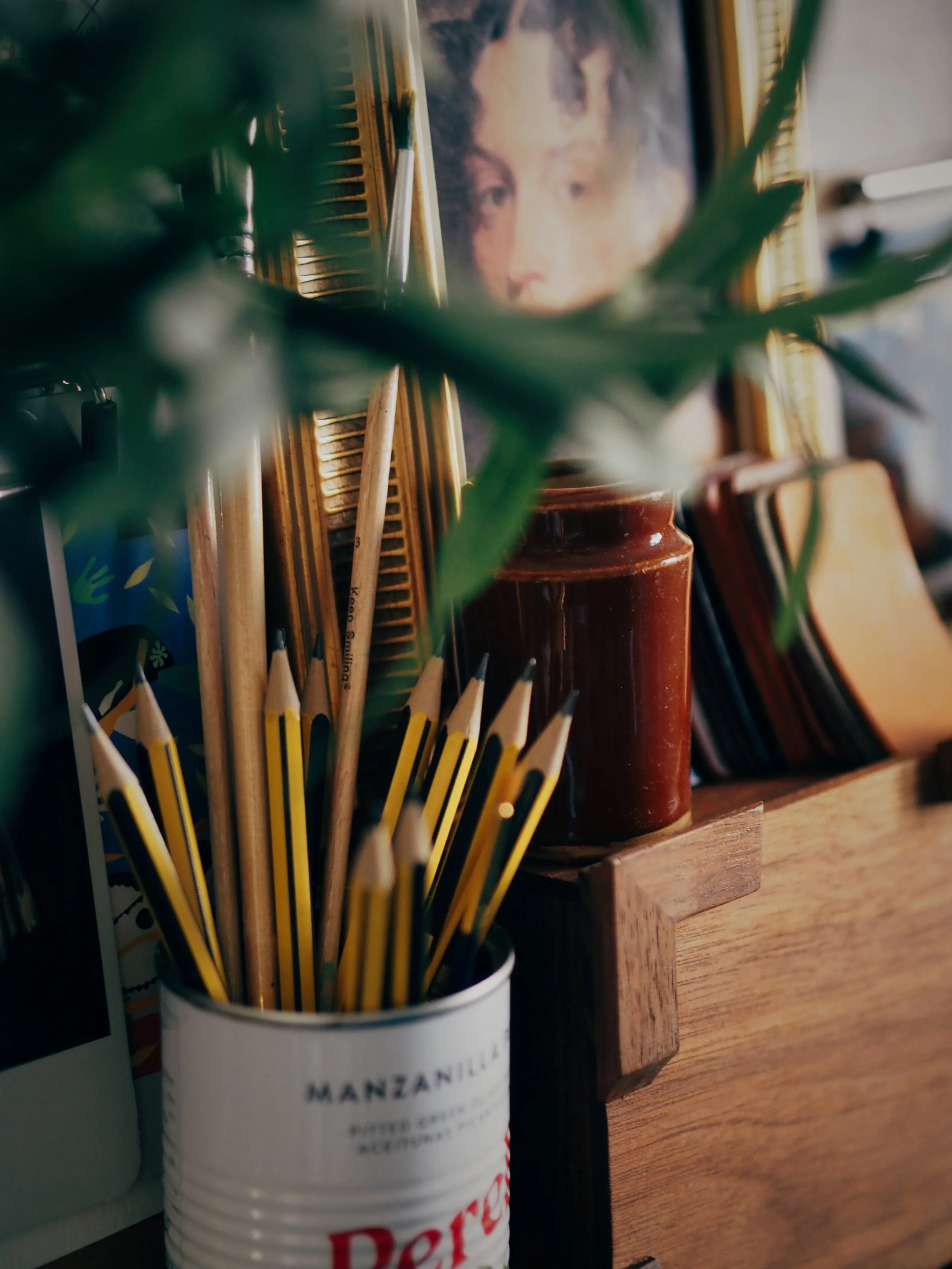
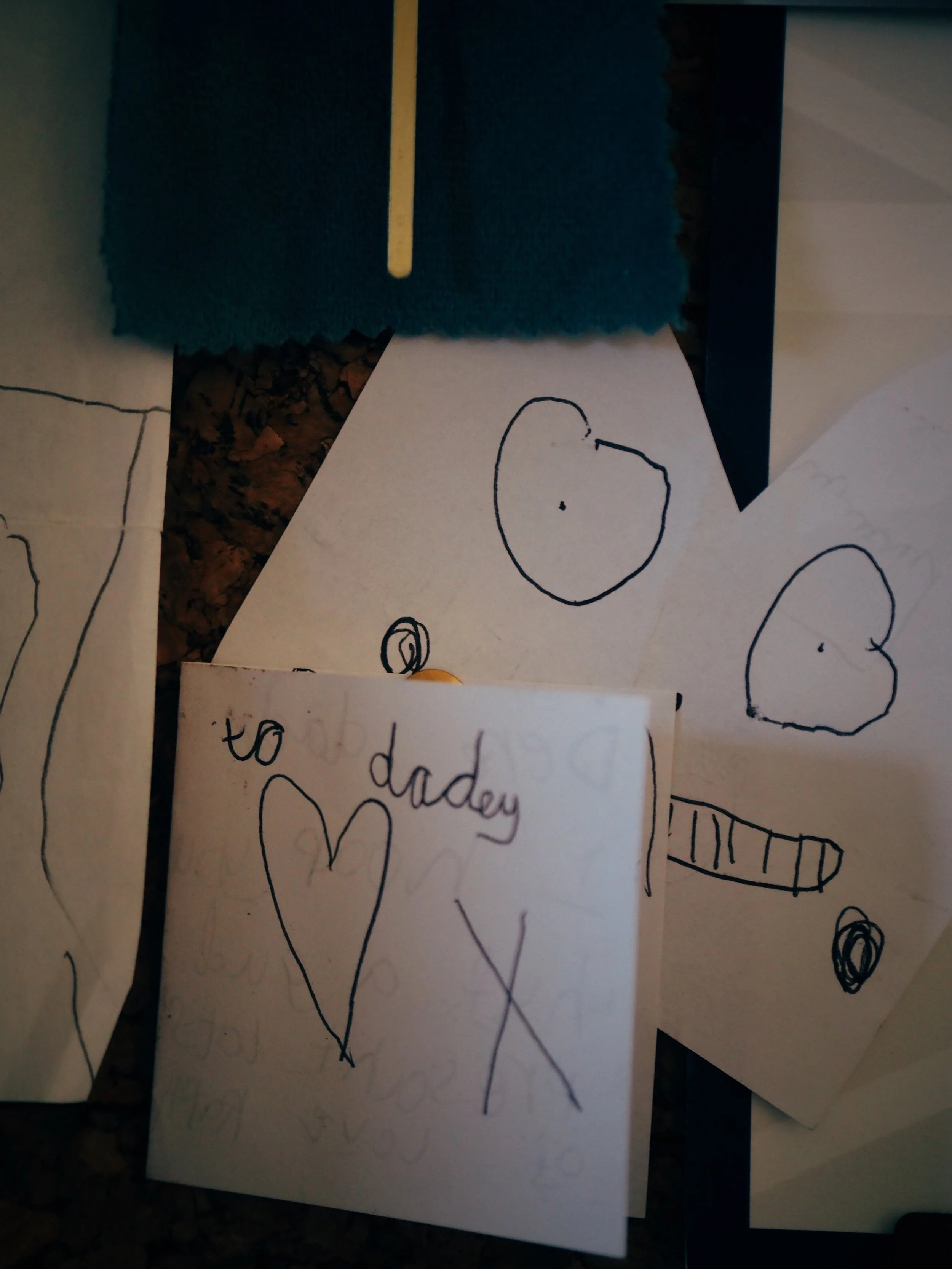
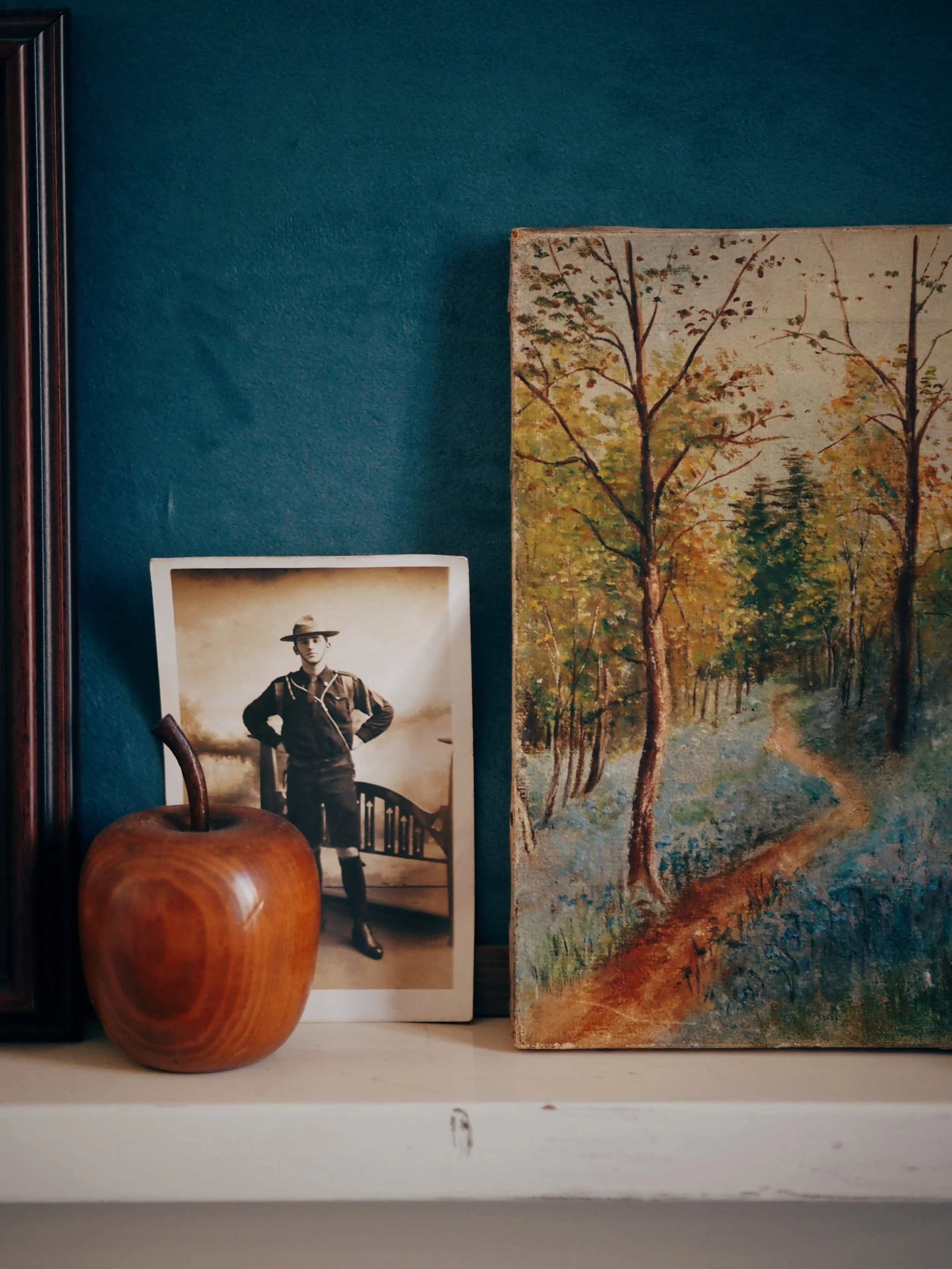
Over time, a workspace becomes more than functional. It gathers objects, kept for use, for reference, for memory. A ruler worn smooth from handling. A strap sample. A pencil left exactly where it was last needed.
These are not forgotten details.
They are the quiet evidence of work.
And in a space like this, surrounded by history, those small details begin to feel connected to something larger. A continuity of making. Of people working carefully with their hands, long before us, and long after.
Lincoln is not simply where we are based.
It influences how we think about watches. The architecture, the materials, the sense of permanence, they all find their way into the design and assembly of each piece. There is a natural inclination toward restraint, toward proportion, toward things that last.
Working in a place like this reminds you that time is not something to rush.
It is something to work within.
Every watch we assemble carries something of this environment with it. Not in a literal way, not in decoration or reference, but in feeling.
A sense of balance.
A sense of quiet confidence.
A sense that time is something to be lived with, not chased.
It is difficult to define, but easy to recognise.
Over time, the building, the city, and the work become inseparable. The view from the window. The sound of footsteps outside. The steady focus of the bench.
All of it becomes part of the process.
And perhaps, in a small way, part of the watch itself.